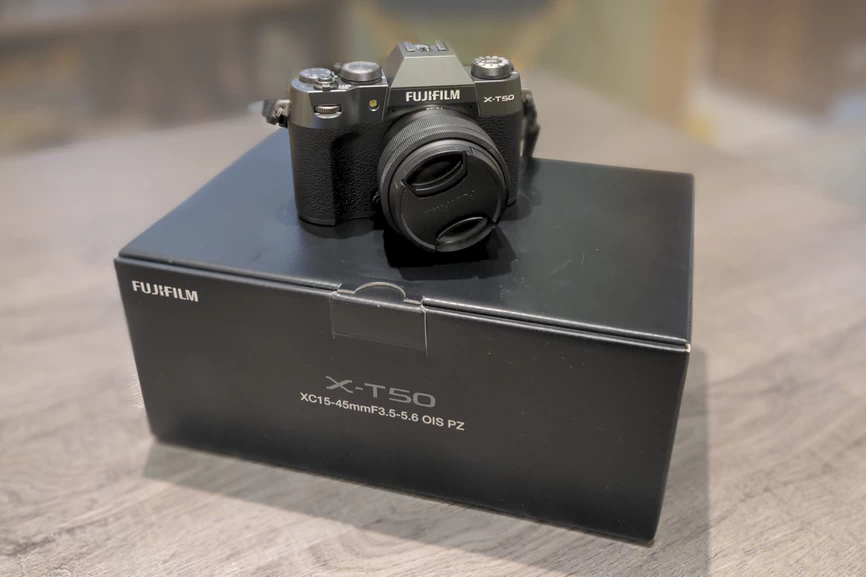
FujiFilm X-T50 and 15–45mm Lens Review
Looking for a lightweight camera that delivers professional image quality without weighing you down? After a full month of real-world use, here is my hands-on review of the Fujifilm X-T50 paired with the FujiFilm 15-45mm f/3.5-5.6, a compact combination aimed at travel, everyday photography, and enthusiasts who want serious results in a small package.
FujiFilm X-T50 and 15–45mm Lens an upgrade from the X-T30
I originally purchased the X-T30 with a 13 – 33mm lens, hoping it would become my daily carry camera. While image quality was excellent, a few usability issues led me to return it. That decision ultimately brought me to the X-T50, and it has proven to be the better choice.
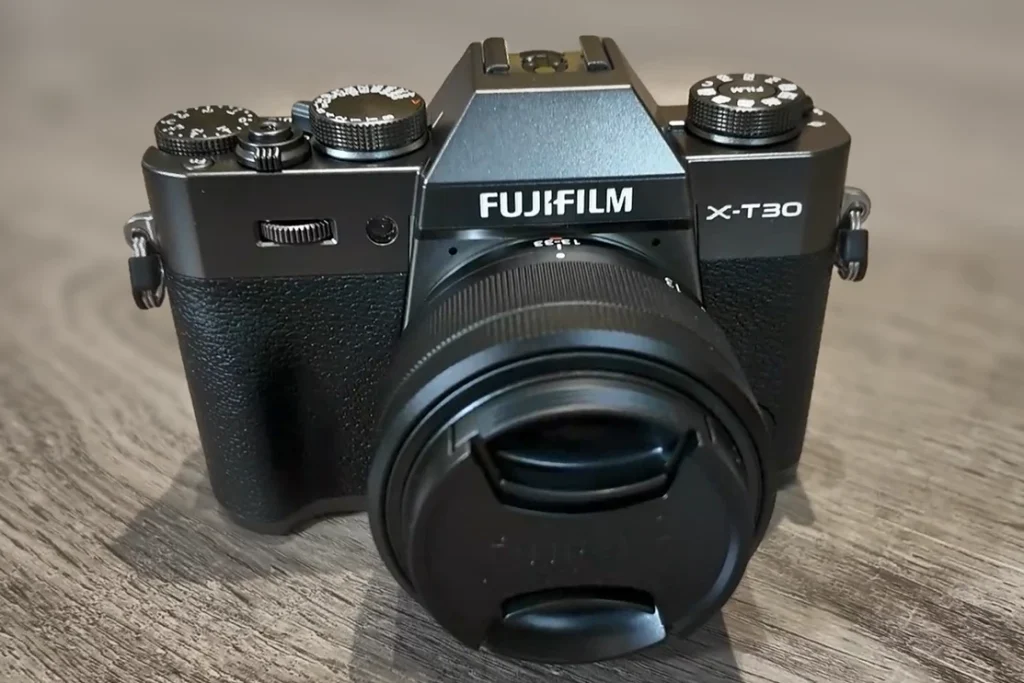
FujiFilm X-T50 and 13-33mm lens review – click here
First Impressions of the FujiFilm X-T50 and 15–45mm Lens
Straight out of the box, the X-T50 feels slightly larger and heavier than its predecessor, but only by a small margin. What stands out more is the improved rear thumb rest, which makes the camera noticeably more secure and comfortable to hold.
The biggest upgrade is the new 40-megapixel sensor, a major jump from the 26.1 MP found in the X-T30. For photographers who crop heavily or produce large prints, this extra resolution is a game-changer.
Despite the higher resolution, the camera remains compact enough to carry everywhere. While it may not fit comfortably in most pockets, it slips easily into a small hip pack or waist bag, ideal for travel or daily shooting.

Image Quality and Performance of the FujiFilm X-T50 and 15 – 45 mm lens
Image quality is exceptional. The 40MP sensor captures incredible detail, and files hold up extremely well when cropping or enlarging.
Fuji’s familiar manual dials, menus, and controls remain intact, making the transition easy for existing users. Maybe a little hard to grasp for new users.
One of the most significant improvements is in-body image stabilization (IBIS). Unlike the X-T30 that only had lens stabilization, the X-T50 stabilizes the sensor itself. While subtle in some situations, it becomes extremely valuable when shooting handheld at slower shutter speeds.
Another noticeable improvement is reduced shutter vibration from the X-T30. When shooting in low light or at slower speeds, images appear sharper and more stable, a major advantage in real-world photography.
Digital Zoom and Cropping Power
With 40 megapixels available, the digital zoom feature becomes surprisingly practical. Photographers who prefer minimal post-processing can zoom in-camera and still retain enough resolution for prints or additional cropping. I am NOT A FAN of digital zoom as it crops out some of the pixels but with 40mp’s you have lots to work with.
However, stability becomes more critical when using digital zoom, so a steady grip or stabilization is important.
Film Simulation Modes
The X-T50 includes Fuji’s well-known film simulations. While not everyone likes them, they can produce attractive images straight out of camera, perfect for photographers who want minimal editing.

Write Speed in Full Auto Mode
The only notable drawback appears when shooting in full auto mode. Saving images to the memory card can be slower than expected. Even with a high-speed card, the delay remained noticeable.
Interestingly, this slowdown seems limited to full auto. In other shooting modes, performance is normal.
The 15–45mm Kit Lens Experience
The included 15–45mm lens is a good kit lenses.
A standout feature is the automatic retracting design. When powered off, the lens parks itself into a compact position, making the camera easier to carry and store.
The lens cap also attaches securely, unlike the lens cap on the X-T30 a small detail, but an important one for everyday use.
Optically, the lens delivers sharp results for travel, street photography, and general shooting. Its lightweight design complements the compact body perfectly.
Handling and Ergonomics
Because the X-T50 body is small, it pairs best with compact lenses like the 15–45mm. Larger lenses can make the camera feel unbalanced, especially for photographers with larger hands.
For lightweight travel photography or everyday carry, however, this setup performs exceptionally well.

FujiFilm X-T50 Camera Specifications
- Sensor: 40.2 MP APS-C X-Trans CMOS
- Processor: X-Processor 5
- Image Stabilization: In-Body (IBIS)
- ISO Range: 125–12,800 (expandable)
- Continuous Shooting: Up to 20 fps (electronic shutter)
- Video: Up to 6.2K
- Viewfinder: Electronic OLED
- Screen: 3-inch tilting touchscreen
- Autofocus: Subject-detection AF
- Storage: SD card slot
- Weight: Approx. 438 g (with battery and card)
FujiFilm 15–45mm Lens Specifications
- Focal Length: 15–45mm (23–69mm equivalent)
- Maximum Aperture: f/3.5–5.6
- Lens Type: Power zoom
- Stabilization: Optical Image Stabilization (OIS)
- Minimum Focus Distance: Approx. 13 cm (wide)
- Filter Size: 52 mm
- Weight: Approx. 135 g
- Design: Collapsible, auto-retracting
Final Verdict: Is the FujiFilm X-T50 and 15 – 45 mm lens Worth It?
If you want a compact camera that produces high-resolution, professional-quality images without the bulk of larger systems, the FujiFilm X-T50 with the 15–45mm lens is an excellent choice.
Compared to the X-T30, the improvements, higher resolution, better ergonomics, reduced shutter vibration, and built-in stabilization, make the upgrade worthwhile. Even at a higher price point, the added performance and usability justify the cost for serious enthusiasts and travel photographers.
This camera isn’t designed for large, heavy lenses, but as a portable everyday system, it excels.
Overall Rating: Highly Recommended for photographers who want maximum image quality in a compact body.
Watch my YouTube video on the review of the FujiFilm X-T50
and 15 – 45mm lens