
What Is the Best Lens for Bird and Wildlife Photography? Good question!
If you’ve ever photographed birds or wild animals, you already know this truth: distance is everything. Wildlife rarely lets you get close, and the right lens can make the difference between a tiny speck in the frame and a stunning, frame-filling image.
One of the most common questions I’m asked is:
“What’s the best lens to buy for wildlife photography?”
The honest answer? It depends. But there is one lens that consistently rises to the top for most photographers.
Why There’s No Single “Perfect” Lens for Everyone
Over the years, people have asked me this question in the most unexpected places, even while I was shooting weddings. Back in the film days, they’d ask what film I used. Today, it’s all about lenses.
The problem is that most people don’t provide the information needed to give a meaningful answer:
- What type of photography are you doing?
- What camera body do you use?
- What’s your budget?
- How experienced are you?
- Do you hike long distances or shoot near your vehicle?
Without these details, recommending a lens is guesswork.
However, when the conversation turns specifically to bird and wildlife photography, one lens repeatedly stands out.
The Lens I Recommend Most for Wildlife Photography
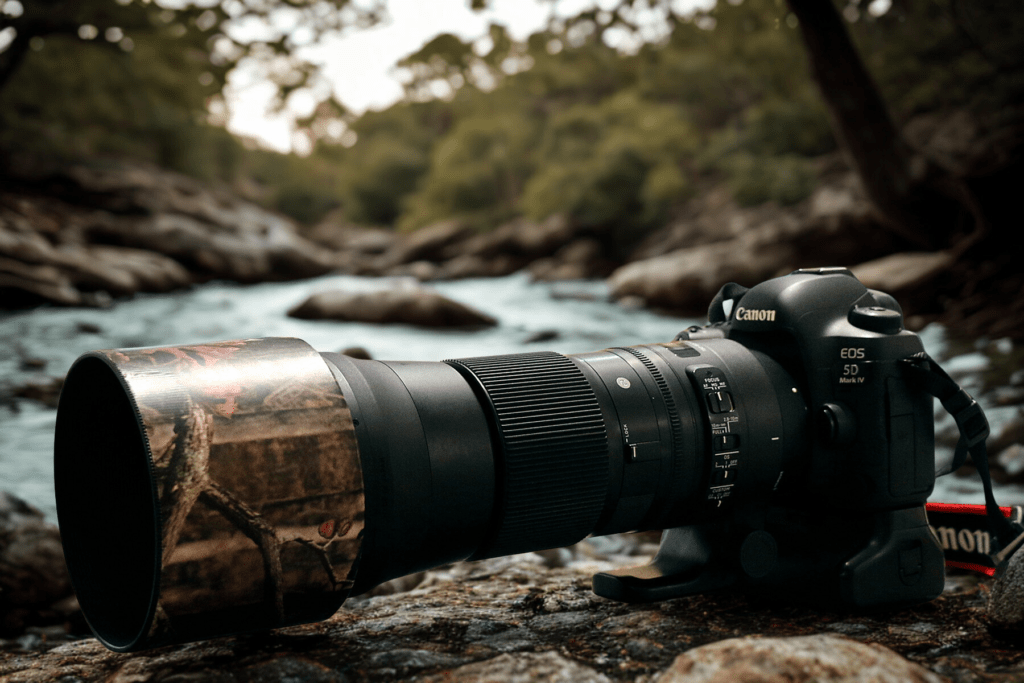
What Is the Best Lens for Bird and Wildlife Photography? Sigma 150 – 600mm A Wildlife Photographer’s Workhorse
If your goal is photographing birds, deer, elk, or distant wildlife, I strongly recommend a 150 – 600mm zoom lens, particularly the Sigma versions.
Even with today’s rapidly evolving camera technology and lens options, this focal range remains one of the most versatile and practical choices available.
Important compatibility note:
Some versions of this lens have had autofocus or performance issues on certain mirrorless cameras. Always verify compatibility with your specific camera model before purchasing.
If it works well with your camera, however, it can be an outstanding investment.
Why This Lens Beats Many Expensive Pro Options
This isn’t because it outperforms professional super-telephoto lenses in every category, it doesn’t. Instead, it wins where it matters most for everyday photographers.
1. Price: Incredible Reach Without the Financial Pain
Professional 600mm lenses can cost as much as a small car. In contrast, a 150 – 600mm zoom is dramatically more affordable.
You could often buy 10–15 mid-range zooms for the price of a single high-end 600mm prime.
Yes, the pro lens will deliver superior optics, faster apertures, and rugged build quality, but if you’re afraid to use it because of its cost, that advantage disappears.
An affordable lens you actually take into the field will always outperform an expensive lens left at home.
2. Size and Weight: Wildlife Photography Is Physical
Large professional telephoto lenses are heavy, sometimes extremely heavy. Carrying them for hours (or kilometers) can be exhausting.
A 150 – 600mm zoom is significantly lighter and more portable, making it practical for:
- Hiking
- Travel
- Handheld shooting
- Long field sessions
- Shooting from a vehicle
For many photographers, this alone makes it the better real-world choice.
3. Image Quality: Better Than Most People Expect
Professional lenses still lead in pure optical performance. But modern telephoto zooms deliver impressive results, often more than enough for:
- Large prints
- Online publishing
- Magazines
- Personal portfolios
- Social media
With today’s powerful editing tools, minor differences in sharpness or contrast are often negligible in real-world use.
I’m not suggesting pro lenses aren’t superior, they absolutely are. But for most photographers, the difference is smaller than the price gap would suggest.
The Real Reason This Lens Comes Out on Top
When you combine the three most important factors:
- Cost
- Portability
- Image quality
…the 150 – 600mm zoom frequently becomes the most practical choice for bird and wildlife photography.
It delivers the reach you need, produces excellent images, and is affordable enough that you won’t hesitate to take it into rugged environments.
And in wildlife photography, being there with your camera matters more than having the absolute best gear on paper.
Final Thoughts: The Best Lens Is the One You’ll Actually Use
There is no universal “best” lens for everyone. Your ideal choice depends on your camera, shooting style, physical comfort, and budget.
But if you want a single lens recommendation that works for the majority of wildlife photographers, from beginners to advanced enthusiasts, a 150–600mm zoom is hard to beat.
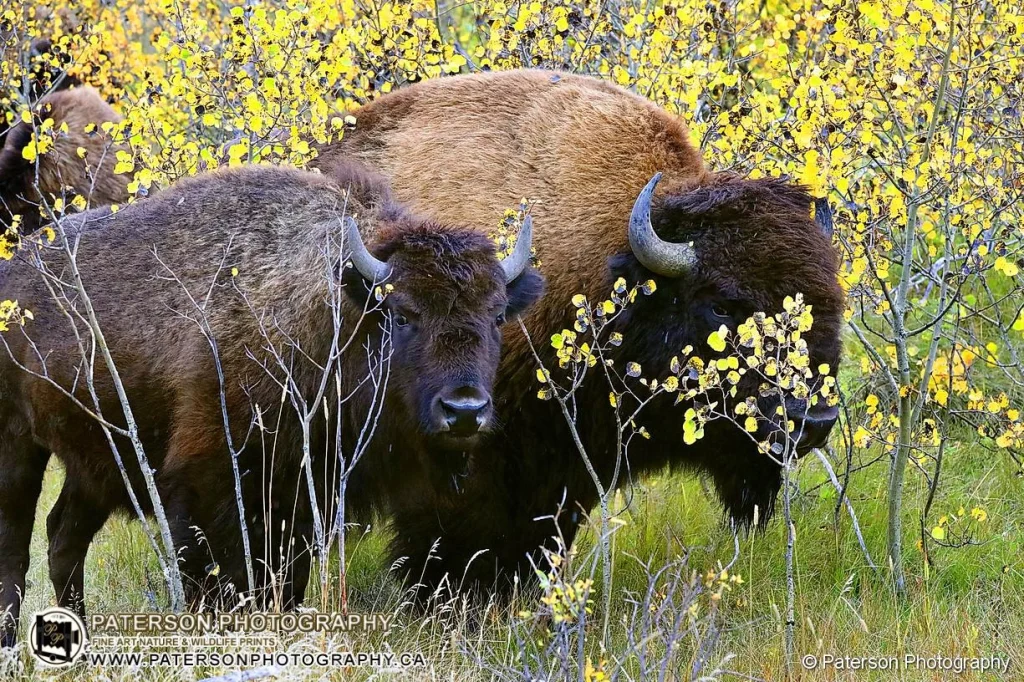
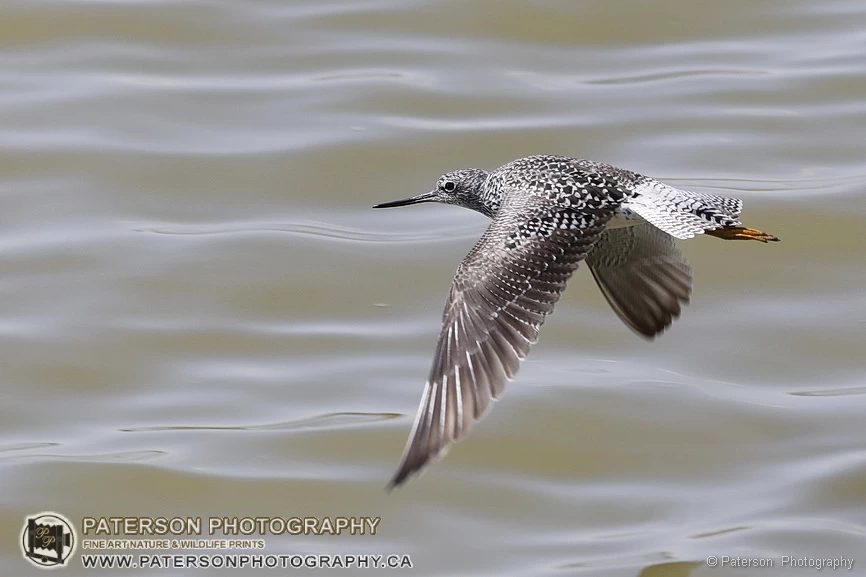
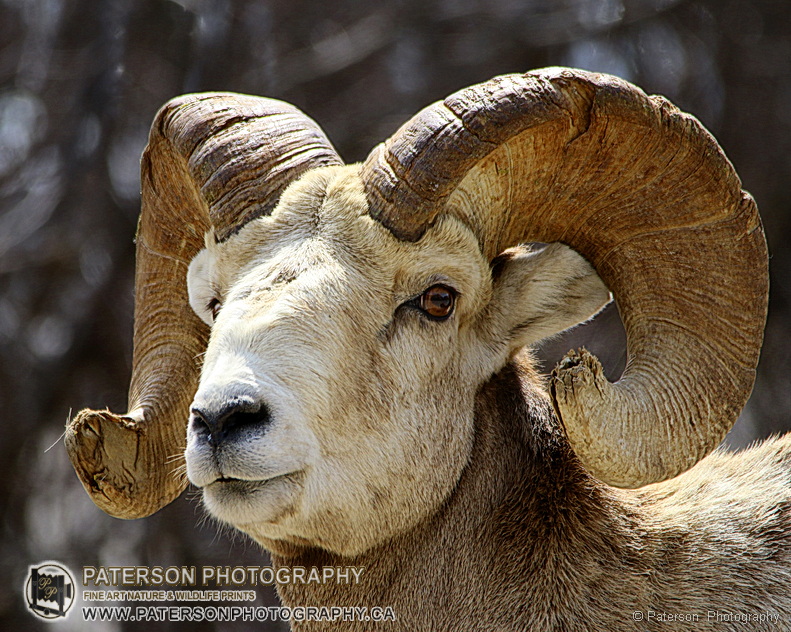
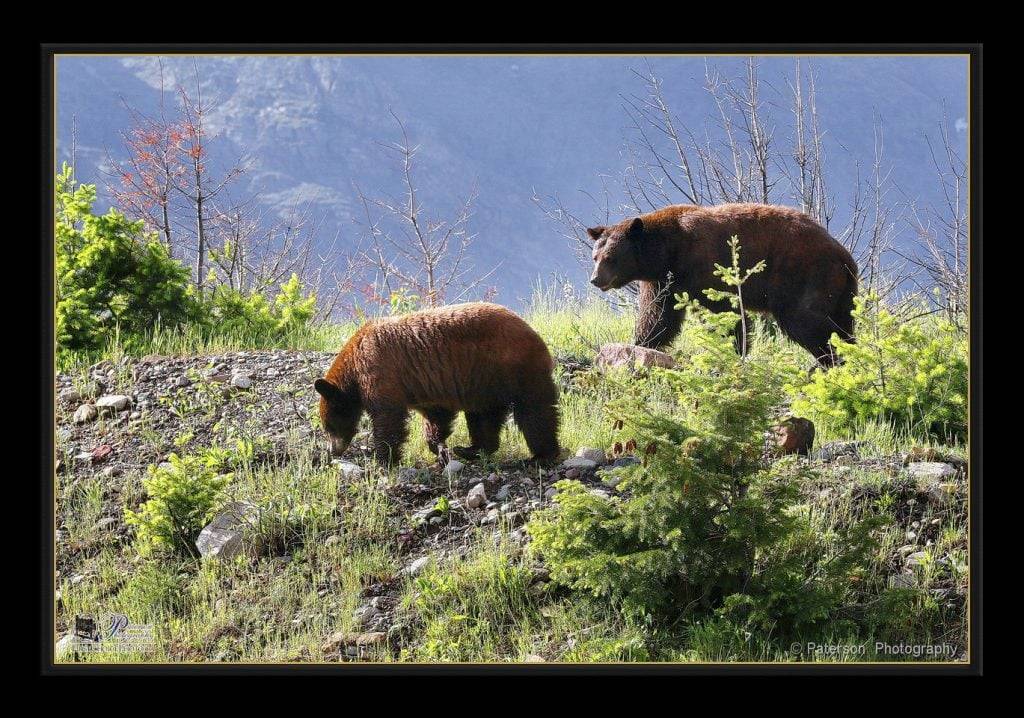
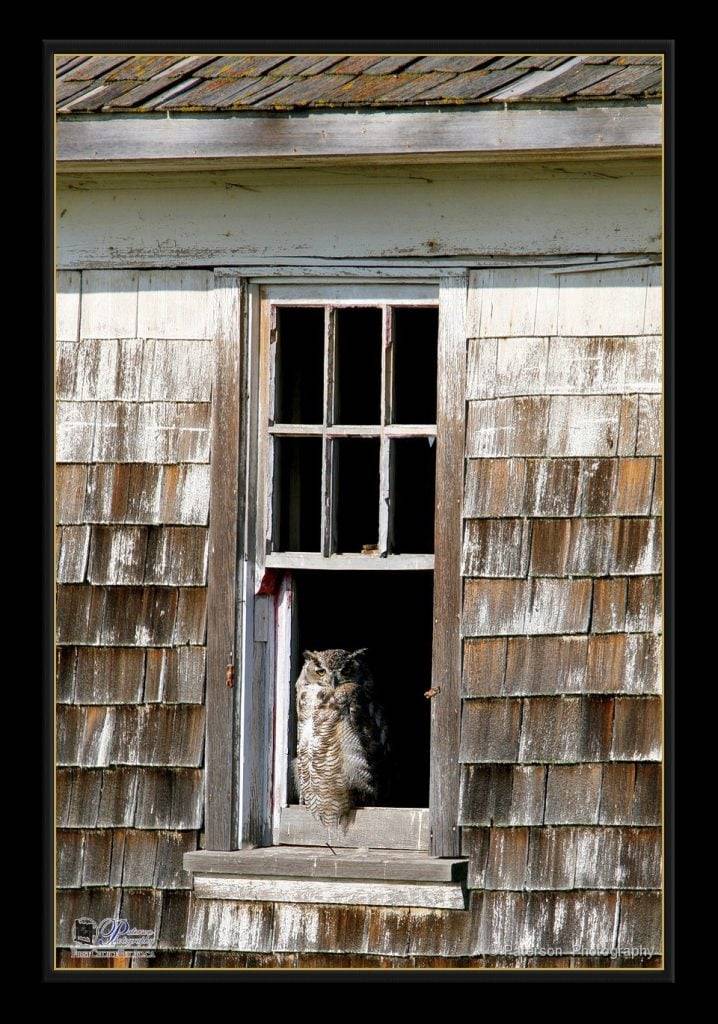
Alongside this article are photographs captured with this type of lens, demonstrating what it can achieve in real-world conditions. You’ll also find links below to videos where I discuss performance, techniques, and field use in greater detail.
Click here to see videos on the Sigma 150 – 600mm lens
In wildlife photography, reach creates opportunity and opportunity creates great images.