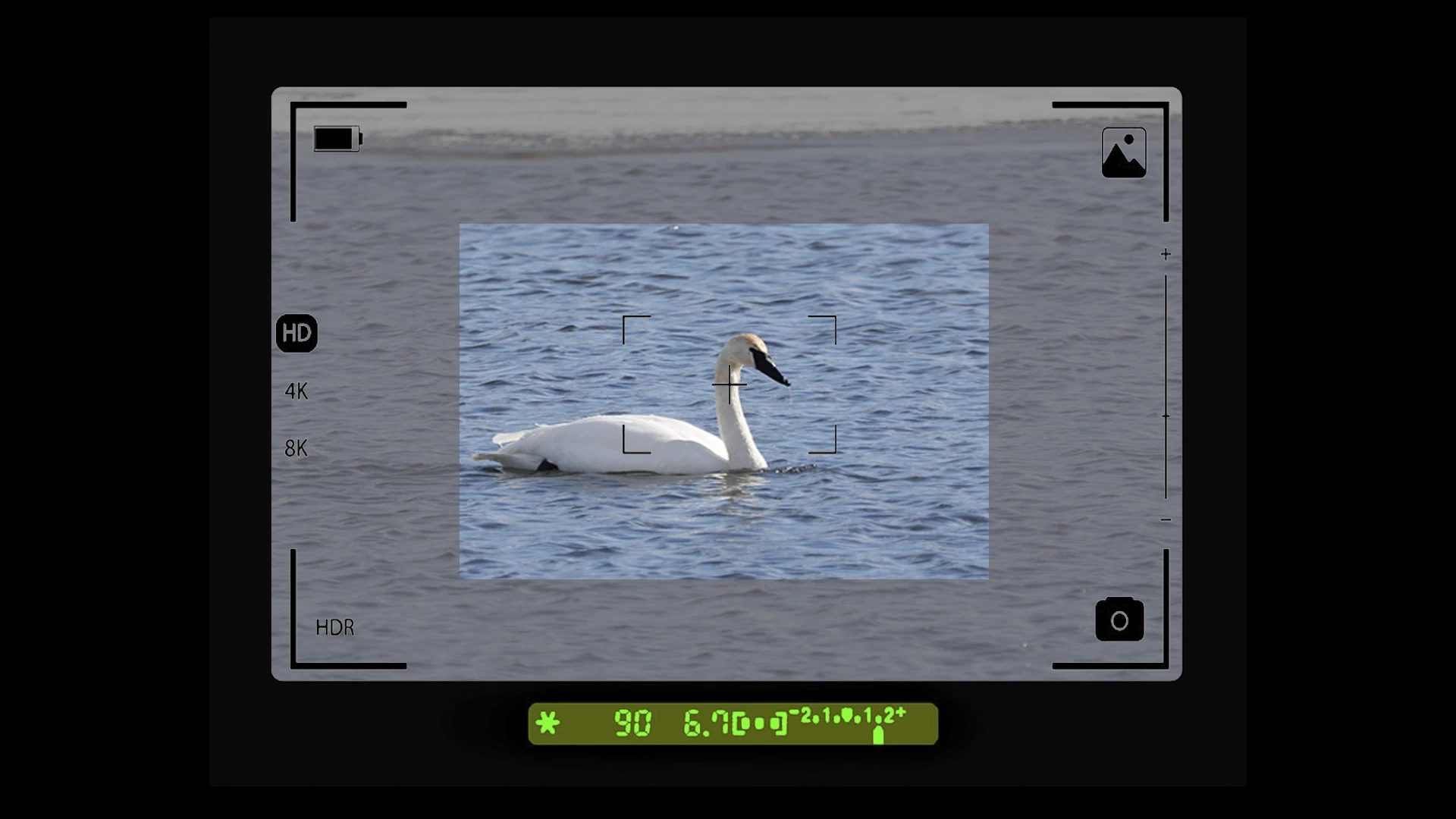
Digital Zoom
Using a camera with digital zoom, or what many manufacturers now call a digital teleconverter, has ruined more photographs than most people realize. But it doesn’t have to.
Let’s talk about what it does, why it causes problems, and how you can use it (or avoid it) to dramatically improve your results.
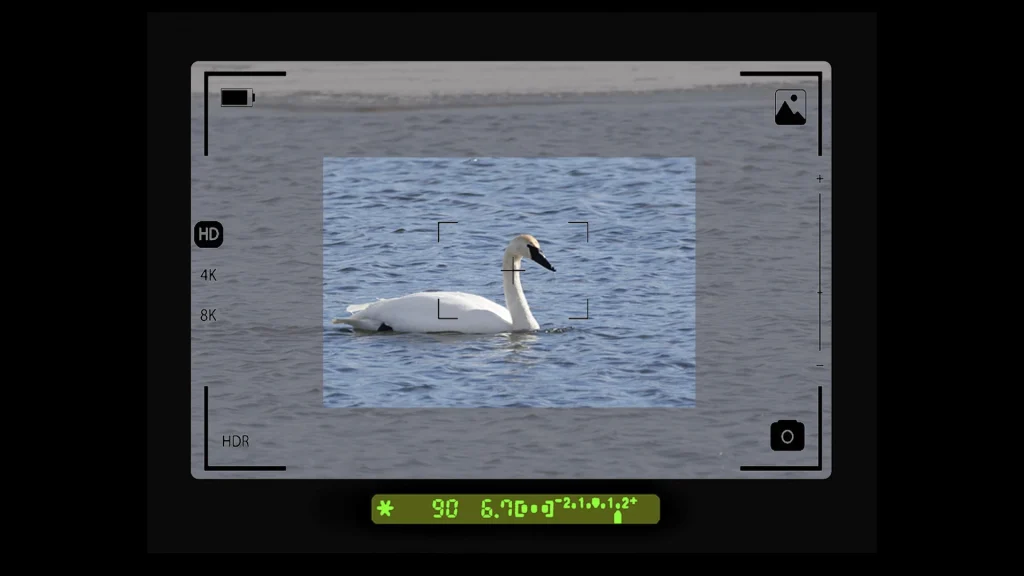
Digital Zoom
I’ll be honest: I’ve never been a fan of digital zoom.
When it first hit the market, digital cameras were barely pushing one megapixel. The moment you engaged digital zoom, that one-megapixel image could effectively shrink to just a few hundred kilobytes worth of usable detail. The quality drop was dramatic. Soft images, blocky pixels, and prints that simply fell apart.
It ruined more photos than most photographers even realized at the time.
Fast forward to today, and digital zoom, now rebranded by some as a digital teleconverter, is making a comeback. Why?
Because it promises more reach at no additional cost.
No bigger lens.
No heavier glass.
No extra expense.
Sounds great… but there’s more to the story.
How Digital Zoom Works
To understand the problem, you need to understand how it works.
An optical zoom (or traditional teleconverter) increases magnification before the image hits the sensor. The lens elements physically magnify the subject, maintaining full resolution across the frame.
Digital zoom works very differently.
Instead of magnifying the image optically, the camera:
- Zooms to the maximum optical focal length.
- Crops away the outer edges of the image.
- Enlarges the remaining center pixels.
In simple terms: it throws away part of your image and stretches what’s left.
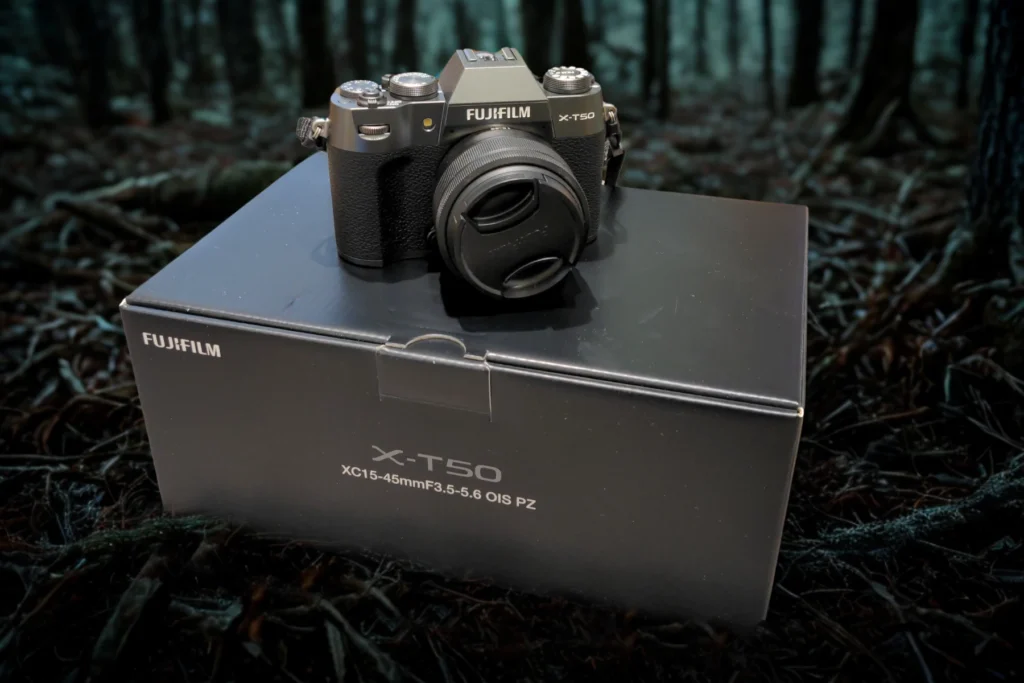
Modern high-resolution sensors make this less destructive than it used to be. For example, with my 40-megapixel Fujifilm X-T50, even if I lose 50% of the pixels, I’m still left with around 20 megapixels, more than enough for large prints.
So yes, the “lost megapixel” argument isn’t as strong as it once was.
But that’s not the real problem.
The Real Problem With Digital Zoom
The biggest issue I’ve seen over the years isn’t resolution.
It’s shutter speed.
When photographers engage digital zoom, often without even realizing it, they effectively increase their focal length dramatically. Add digital zoom to an already long lens, and suddenly you’re working in the equivalent of several hundred millimeters… sometimes even pushing toward 1000mm territory.
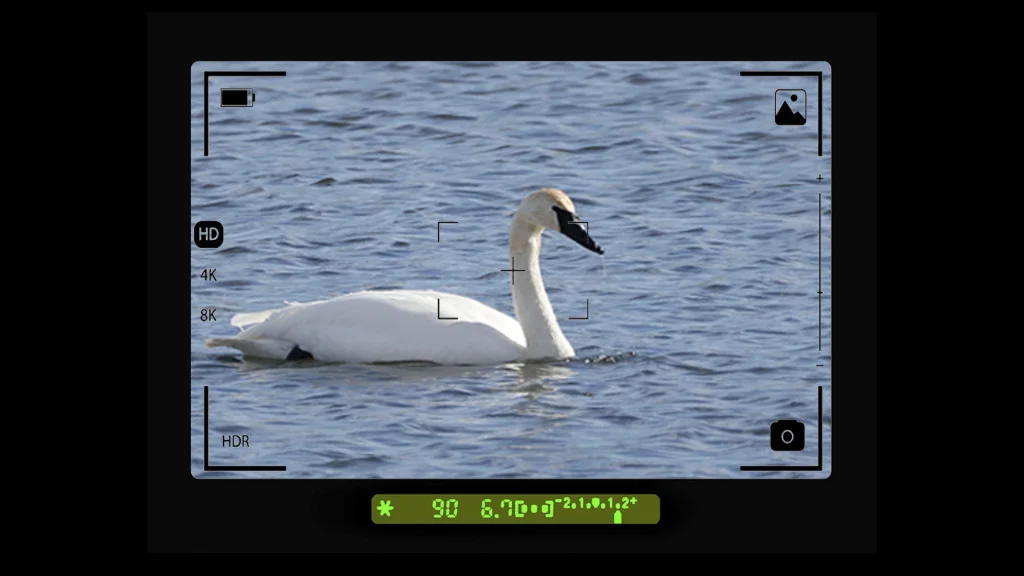
That changes everything.
The longer the effective focal length, the more sensitive your image becomes to movement.
If your camera is still choosing shutter speeds like 1/60 or 1/125 of a second in program mode, it may not compensate for the additional “reach” created by digital zoom. The result?
- Motion blur
- Camera shake
- Soft, unusable images
Even the smallest movement becomes exaggerated at extreme focal lengths.
My Recommendation
For years, my advice has been simple:
Turn digital zoom off.
Disable it in your camera menu so you don’t accidentally engage it. This alone will prevent a huge percentage of soft images.
If you do decide to use it, do so intentionally.
When using digital zoom:
- Switch to shutter priority or manual mode.
- Increase your shutter speed to match the effective focal length.
- Treat the lens as though it’s actually that long.
For example, if your optical lens is 88mm and digital zoom doubles that, you should be thinking in terms of 176mm — and adjusting shutter speed accordingly. The old “1 over focal length” rule (or faster) becomes very important here.
If you’re not comfortable adjusting shutter speeds manually, there’s another approach that often produces better results.
A Better Alternative: Crop in Post
Instead of using digital zoom in-camera, shoot at full resolution with digital zoom turned off.
Then, in post-production, crop the image using software like Adobe Photoshop or Affinity Photo.
Why is this better?
- You can crop in small increments.
- You can evaluate sharpness carefully.
- You maintain full control over composition.
- You avoid committing to an extreme crop in the field.
If the image starts to lose sharpness, you can simply stop cropping. When using digital zoom in-camera, you often don’t realize the softness until you review the image later.
Post-production cropping gives you flexibility and control.
My Current Take
I’ll admit, I have used the digital teleconverter on my Fujifilm X-T50 a few times.
With a 40-megapixel sensor and proper shutter speed adjustments, the results can be acceptable. I still don’t love the feature, but I’m far less opposed to it than I was in the early days of one-megapixel cameras.
Digital zoom isn’t evil.
It’s just misunderstood, and often misused.
If you understand what it’s doing and adjust your technique accordingly, it can be a tool. But if left on by default, it’s still one of the fastest ways to accidentally ruin a great shot.
As with most things in photography, intention makes all the difference.